October 13, 2026
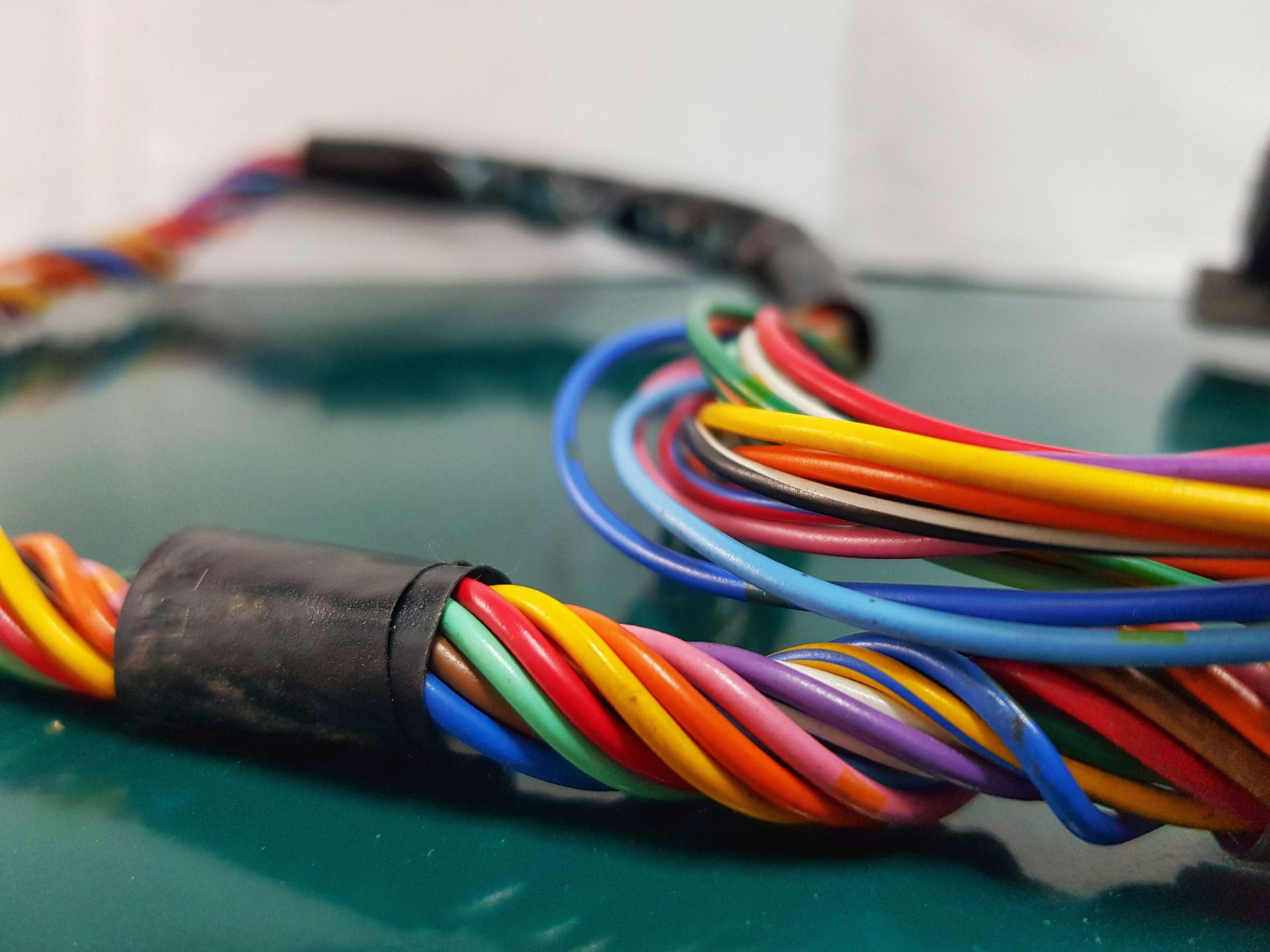
Wire harnesses play an important role in keeping complex electrical systems organized, protected, and functional. By grouping wires, cables, and connectors into a structured assembly, they can simplify installation while helping reduce wiring errors and improve system reliability.
According to Yahoo Finance, the global wire harness market was worth approximately $55 billion in 2025, reflecting the widespread demand for these assemblies across industrial applications. An electrical supply company can provide both standard and custom harnesses designed around the specific requirements of different applications, from industrial machinery to medical equipment. With proper engineering, testing, and manufacturing support, these assemblies can help businesses maintain consistent electrical performance while keeping projects on schedule.
Supporting Diverse Industrial Applications
Providing Solutions for Different Industries
Wire harnesses are used in many industries because they offer a practical way to organize electrical connections within equipment and systems. Automotive manufacturers can use them to route numerous electrical circuits through vehicles, while aerospace applications may require carefully configured assemblies that accommodate strict space and performance requirements. Medical equipment, telecommunications systems, industrial machinery, and consumer electronics can also rely on harnesses to connect components in an organized manner.
An electrical equipment supplier can support these varied applications by providing harnesses built around the requirements of each project. Factors such as wire gauge, connector type, assembly length, conductor arrangement, and protective materials can all affect how a harness functions within a finished system. Having access to customized configurations allows manufacturers and other businesses to obtain assemblies that correspond with their equipment instead of adapting their designs around a generic product.
Accommodating Custom Specifications
Different applications often require different approaches to wire harness construction. A harness may need a particular combination of wire sizes, connector configurations, lengths, colors, or protective sleeves based on where and how it will be installed. Customization can also help manufacturers address physical limitations within equipment, making it easier to route wiring through confined spaces or connect components positioned in specific locations.
An electrical supply company with engineering support can help customers translate these requirements into practical harness designs. This support can be particularly useful for projects involving complex assemblies or unusual configurations. Instead of relying solely on standard components, businesses can work with experienced professionals to develop assemblies that correspond closely with their specifications, production requirements, and intended applications.
Managing Different Order Volumes
Wire harness requirements can vary substantially from one project to another. Some manufacturers may need a limited number of highly complex assemblies for specialized equipment, while others may require large production runs of comparatively simple harnesses. A capable supplier needs processes that can accommodate both situations without compromising consistency or delivery expectations.
Manufacturing capabilities such as automated wire processing and flexible construction methods can help support different production volumes. An electrical equipment supplier that can handle both prototypes and larger orders gives customers greater flexibility as their requirements change. This can be especially useful when a business needs to move from an initial design into recurring production while maintaining consistent specifications throughout the process.
Improving Wiring Efficiency and Reliability
Streamlining Installation and Maintenance
One of the primary advantages of wire harnesses is their ability to organize multiple electrical connections into a single assembly. Rather than requiring technicians to manage numerous individual wires during installation, a completed harness can provide a more structured arrangement. This can reduce installation time and make the wiring process easier to manage, particularly in equipment containing many electrical connections.
An electrical supply company can manufacture harnesses according to the intended installation environment, helping customers receive assemblies that are ready to integrate into their systems. Organized wiring can also simplify maintenance because technicians can more readily identify and trace connections when troubleshooting or replacing components. This structured approach can contribute to more efficient service procedures throughout the operating life of equipment.
Protecting Wires From Common Hazards
Electrical wiring may encounter abrasion, movement, environmental exposure, and other conditions that can affect its performance. Wire harnesses can incorporate protective sleeves and other construction features designed to help shield conductors and connections from potential damage. The appropriate configuration depends on the application, installation environment, and materials involved.
Working with an electrical equipment supplier that offers flexible construction methods allows businesses to address these considerations during the design process. Protective features can be incorporated into a harness based on the application's specific needs rather than added as an afterthought. Properly organized and protected wiring can help maintain system integrity while reducing the likelihood of problems associated with exposed or poorly routed conductors.
Supporting Electrical Safety
Proper wire organization can also contribute to safer electrical systems. Loose or improperly routed wires may increase the potential for shorts, connection problems, or physical damage. A purpose-built harness can keep conductors arranged in a defined configuration while helping maintain separation and protection where necessary.
An electrical supply company can further support safety and quality objectives through comprehensive testing procedures. Integrated circuit testing can help verify that assemblies perform according to their intended electrical configuration before they are delivered for use. Combining precise manufacturing with testing provides an additional quality-control step that can help identify problems before harnesses reach the customer's production environment.
Strengthening Production and Supply Chain Support
Maintaining Consistent Manufacturing Quality
Consistency is essential when wire harnesses are incorporated into repeat production. Variations in wire lengths, terminations, connector placement, or assembly quality can create installation challenges and affect production efficiency. Manufacturing processes designed around precise specifications can help produce repeatable assemblies across an order.
An electrical supply company with automated wire processing capabilities can support this consistency while handling a range of wire and cable requirements. Experienced personnel and established quality protocols can complement automated processes, helping ensure that assemblies conform to the specifications provided by the customer. This combination can be particularly valuable for businesses that need dependable results across ongoing production orders.
Meeting Project Deadlines
Delivery schedules can have a direct effect on manufacturing operations. If required electrical assemblies arrive late, other stages of production may also be delayed. For this reason, turnaround time and dependable delivery are important considerations when selecting a wire harness supplier.
An electrical supply company can help customers manage these requirements through efficient manufacturing processes, engineering assistance, and production planning. Fast turnaround capabilities can be especially useful for projects with demanding schedules or changing order requirements. Vendor-managed inventory services can provide another form of supply support by helping businesses maintain access to frequently needed components and assemblies.
Providing Engineering and Distribution Support
The relationship between a manufacturer and its electrical supplier can extend beyond the production of individual harnesses. Engineering assistance can help customers evaluate specifications and develop configurations that align with their applications. This type of collaboration can be valuable when a project involves complex wiring requirements, unusual dimensions, or specialized connector arrangements.
An electrical supply company can also support customers through nationwide distribution and international delivery options, making it easier to obtain custom assemblies across different markets. From individual prototypes to high-volume production runs, a supplier with broad manufacturing capabilities can help businesses coordinate their electrical component needs more efficiently. This type of support allows companies to focus on their equipment and production goals while relying on an experienced partner for wire and cable requirements.
Wire harnesses provide a practical way to organize, protect, and manage electrical connections across many modern industries. Custom construction allows these assemblies to accommodate specific equipment requirements, while testing and quality-control procedures help support consistent performance. By combining manufacturing expertise, engineering assistance, flexible production, and dependable delivery, an electrical supply company can provide more than individual wiring components. Contact Excel Connection Inc to discuss your wire harness requirements and request a customized quote.