November 13, 2026
Whether you oversee an industrial manufacturing plant, operate an engineering design firm, or direct complex infrastructure builds, your supply chain underpins the reliability, safety, and timeline of every project you execute. Modern electrical infrastructure is increasingly sophisticated, driven by automation, rapid electrification, and high-performance energy demands. To keep pace, contractors, procurement leads, and engineers need partners that offer more than off-the-shelf inventory.
Selecting the right electrical supply company is a strategic business decision that directly affects your bottom line. Partnering with a distributor or component specialist that lacks technical acumen, stringent quality controls, or delivery consistency can lead to project delays, equipment failure, and budget overruns. Evaluating candidates across essential performance indicators ensures your enterprise secures a dependable, value-adding resource for your ongoing procurement needs.
Comprehensive Product Depth and Material Traceability
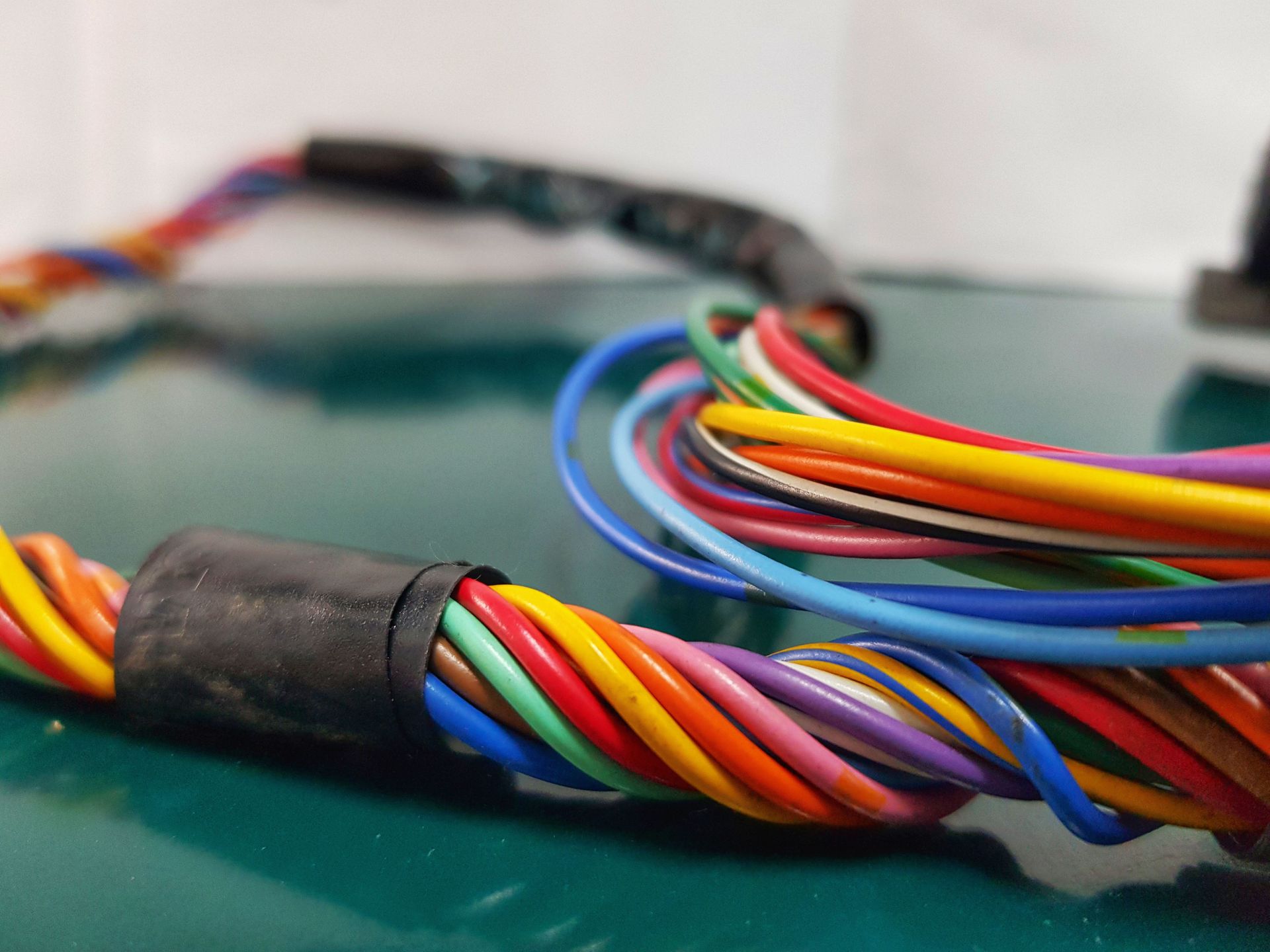
The foundational attribute of any capable electrical distributor is the breadth and depth of its inventory. A reliable supplier should maintain steady access to essential raw components, custom wire harnesses, specialized power cables, terminations, enclosures, and protective switchgear. Sourcing from a partner that handles both high-volume standardized parts and custom assemblies consolidates your vendor footprint, saving considerable administrative and logistics overhead.
Just as critical as product variety is material provenance. As energy infrastructure transitions toward renewable sources and microgrids, the raw materials behind electrical hardware carry growing economic and operational weight. According to the Society for Mining, Metallurgy & Exploration, roughly 4.7 short tons of copper are required for a 3-megawatt wind turbine.
Understanding the sheer scale of base metals required for modern energy production illustrates why material tracking and supply chain transparency matter. A reputable electrical supply company must guarantee that the conductors, alloys, and insulating polymers in their catalog satisfy international engineering standards. Full lot traceability, mill certification, and documentation prevent substandard counterfeit metals or brittle insulations from jeopardizing your system's field longevity. Verifying supplier documentation up front protects your team from catastrophic wiring shorts, code violations, and costly product recalls down the line.
Strict Quality Control and Industry Certifications
In the electrical and electronics sector, a single loose crimp, compromised jacket, or out-of-spec wire termination can trigger intermittent signal dropouts, complete machine shutdowns, or hazardous electrical faults. When vetting a potential supplier, prioritize documented quality management protocols over marketing claims.
Inspect their active certifications and testing standards:
- ISO 9001 Certification: Confirms the vendor operates a rigorous, audited quality management system across order fulfillment, inventory management, and problem resolution.
- IPC/WHMA-A-620 Workmanship Standards: Essential if your supplier manufactures or modifies wire harnesses, cable assemblies, and box builds.
- UL and CSA Compliance: Guarantees that wire, cable, and control assemblies conform to rigorous North American fire, voltage, and thermal safety benchmarks.
- In-House Validation Equipment: Ask whether the facility performs automated continuity testing, hi-pot (high-potential) dielectric checks, pull-force crimp verifications, and cross-section analysis to confirm build integrity before items leave the dock.
A quality-first electrical supply company should welcome technical audits and provide Certificates of Conformance (CoC) alongside shipments without hesitation. Regular third-party oversight guarantees that production lines adhere strictly to uniform manufacturing practices across every production run.
Advanced Capabilities and Value-Added Engineering Support
Standard, catalog-order parts are not always sufficient for specialized equipment designs, confined control enclosures, or harsh environmental conditions. The most valuable vendors provide engineering-level support to help you solve physical routing, thermal dissipation, and signal-integrity challenges before production begins.
Look for a partner that offers value-added services, including:
- Design for Manufacturability (DFM): Technical feedback on your component specifications, pinouts, and housing selections to reduce assembly time and eliminate production bottlenecks.
- Custom Kitting and Labeling: Pre-sorted, project-specific component kits labeled with your internal part numbers to streamline field installation or assembly-line intake.
- Overmolding and Sealing: Precision strain relief and IP-rated environmental potting for assemblies destined for automotive, marine, agricultural, or outdoor industrial use.
- Wire Processing and Sub-Assemblies: Automated wire cutting, stripping, tinning, and custom terminal crimping delivered ready for direct installation into your control panels.
Working with an electrical supply company that possesses deep internal fabrication and engineering expertise turns a transactional vendor into an extension of your own manufacturing and technical teams. Early engineering collaboration helps refine early prototypes, significantly cutting testing cycles before mass production commences.
Resilient Supply Chain Strategies and Flexible Inventory Programs
Recent supply disruptions have demonstrated that low quoted unit prices mean little if lead times stretch across months without visibility. A modern distributor must maintain agile inventory practices that shield your production schedules from global material bottlenecks and component allocation shortages.
When evaluating an electrical supply company, assess the inventory models they support. Top-tier providers offer forward-planning arrangements such as Vendor Managed Inventory (VMI), kanban replenishment systems, consignment stock, or scheduled blanket purchase orders. These agreements ensure that critical long-lead items—such as specialized automotive connectors, aerospace-grade cabling, and proprietary terminals—remain buffered on warehouse shelves, ready for same-day or next-day dispatch when your job schedule accelerates.
Inquire about their multi-sourcing strategy. If a primary terminal manufacturer experiences tooling failure or extended factory lead times, your supplier should possess the technical knowledge and authorized relationships to propose form, fit, and functional equivalent alternatives that maintain your system's certifications. Dedicated inventory buffers keep your assembly lines active even when international shipping routes face unexpected interruptions.
Responsive Client Communication and Account Management
Behind high-tech inventory and certified assembly lines are the account managers and customer service teams that support your daily operations. A key indicator of a vendor's quality is their responsiveness during both routine quoting and unexpected crises.
Take note of how the company handles initial inquiries:
- Do they assign a dedicated account specialist who understands your industry and technical specifications?
- Are quote turnaround times prompt, transparent, and complete with accurate lead times and minimum order quantities (MOQs)?
- How do they handle Engineering Change Notices (ECNs) when design revisions occur mid-production?
- Do they maintain proactive communication if a freight delay or supplier holdup threatens your projected delivery date?
A truly dependable electrical supply company operates with transparency, answering calls directly and taking ownership of delivery metrics rather than routing your team through generic, impersonal ticket queues. Quick responses on critical parts prevent expensive job-site downtime and protect client trust across complex installations.
Proven Industry Reputation and Verified Track Records
Before committing to long-term procurement agreements, examine the company's demonstrated performance in your specific market vertical. An organization specializing exclusively in light residential construction supplies may lack the testing infrastructure and precision tooling demanded by commercial aerospace, defense, telecommunications, or medical device manufacturing.
Request customer references, case studies, and performance testimonials from operations similar to your own. Established suppliers will gladly showcase past projects where they resolved complex assembly challenges, condensed lead times, or supported high-volume production rollouts. A long-standing, stable footprint in the market is often a strong indicator that the company has successfully navigated industry shifts while maintaining trust across its customer base. Solid industry longevity proves a distributor can reliably weather volatile economic shifts while continuing to meet production quotas.
Choosing the right supply partner is one of the most consequential decisions an engineering or procurement team can make. By evaluating suppliers on inventory depth, material traceability, formal quality certifications, custom engineering capabilities, and inventory management flexibility, you build a resilient foundation for your projects. A dedicated electrical supply company does not merely deliver boxes to your receiving dock; it helps mitigate manufacturing risks, stabilizes production costs, and ensures your electrical installations operate reliably for years to come. For custom wire harnesses, cable assemblies, and specialized electrical manufacturing solutions tailored to your exacting engineering standards, contact Excel Connection Inc today to discuss your next project.