October 14, 2026
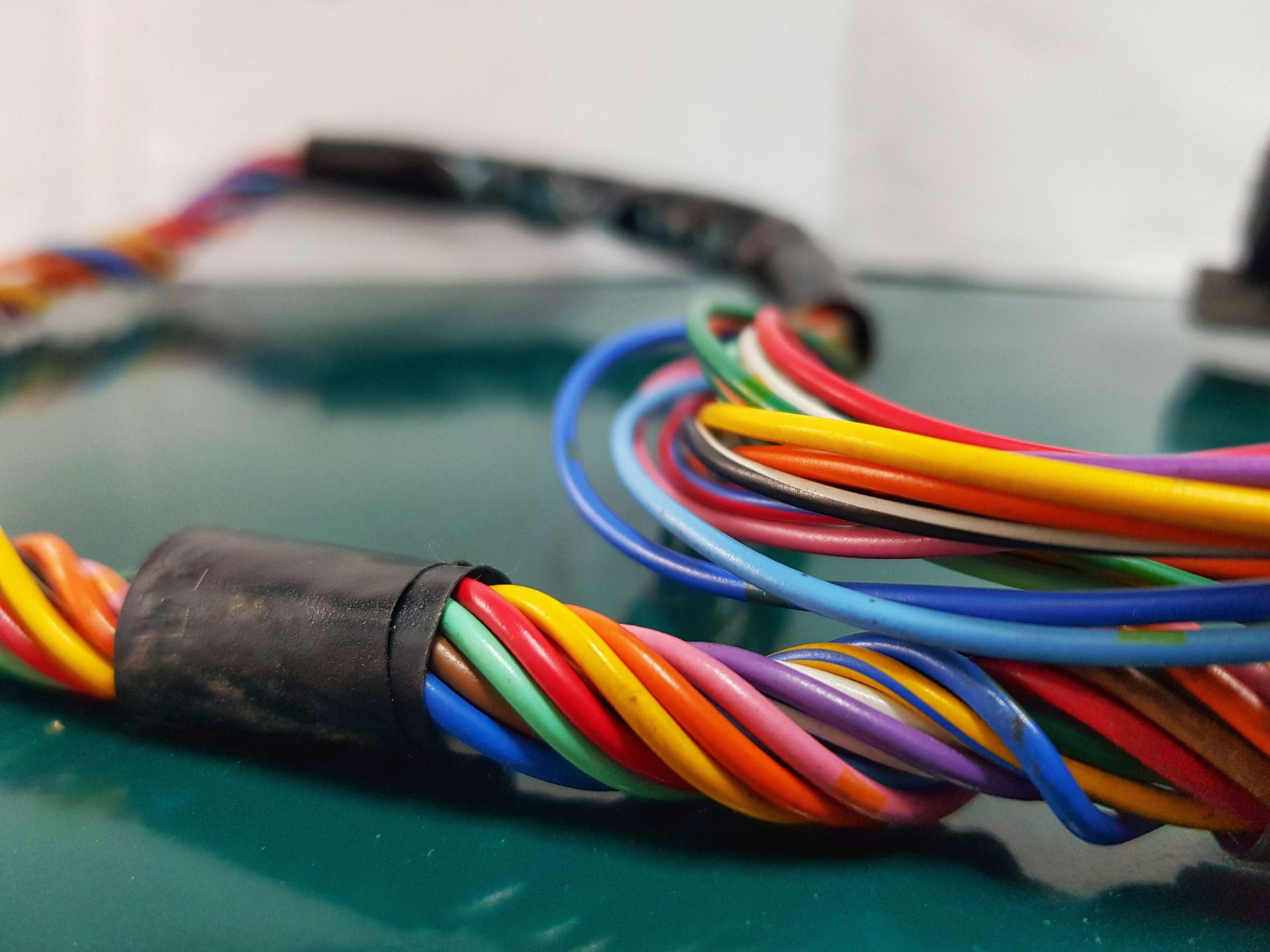
Modern industrial and original equipment manufacturing environments demand exceptional precision, seamless connectivity, and robust performance from every internal component. As automation expands across heavy machinery, automotive systems, medical equipment, and aerospace technology, internal electrical architectures must maintain uninterrupted power distribution and data transmission. Complex machinery relies on organized internal wiring to function efficiently, preventing signal degradation and physical wear. Custom wire harnesses serve as the fundamental structural backbone for these intricate systems, consolidating numerous loose cables into unified, protected assemblies that streamline initial assembly and long-term maintenance. By replacing tangled individual wires with tailored cabling solutions, manufacturers achieve higher operational reliability and cleaner internal layouts. The strategic integration of tailored cabling solutions allows equipment designers to eliminate spatial bottlenecks, reduce installation labor, and safeguard critical electronics against hostile environmental stressors such as vibration, moisture, and thermal fluctuations.
Original equipment manufacturers face ongoing pressure to speed production while maintaining rigorous quality standards. Standard off-the-shelf wiring options frequently fail to meet specialized spatial dimensions, unique connector requirements, or precise electrical load specifications. Consequently, incorporating purpose-built electrical assemblies becomes an essential operational strategy rather than a simple design preference. When internal cabling is tailored precisely to the spatial contours of a machine, technician errors during installation decrease dramatically. Proper wire routing reduces mechanical strain on connectors, minimizes electromagnetic interference between neighboring conductors, and simplifies diagnostic troubleshooting throughout the product lifecycle. Understanding how customized electrical cabling improves factory throughput and system durability is vital for engineering teams seeking to maintain a competitive advantage in high-precision manufacturing.
Streamlining Industrial System Integration
Integrating complex electrical infrastructures into heavy machinery requires precise routing solutions that adapt directly to physical chassis configurations. Standardized wiring bundles often present excessive slack or insufficient lengths, leading to routing obstructions and potential mechanical pinch points during final assembly. Engineered wire harnesses resolve these spatial challenges by adhering strictly to pre-calculated dimensional specifications, ensuring that every lead terminates exactly where required without unnecessary strain or bunching. According to Synosys, the fabrication of internal circuitry bundles takes place across two distinct stages. This multi-phase production method ensures that every sub-assembly undergoes rigorous structural preparation before final integration, yielding consistent dimensional accuracy and structural integrity for industrial deployments.
When assembly line technicians work with pre-configured electrical bundles, overall build times drop significantly. Instead of manually measuring, stripping, routing, and terminating dozens of individual conductors inside a tight compartment, workers simply position a single, fully integrated unit into place. This plug-and-play functionality reduces human error, eliminates guesswork during system hookups, and maintains uniformity across every unit produced. Furthermore, standardized color coding, precise wire labeling, and keying mechanisms prevent misconnections that could damage sensitive control boards or delay quality assurance testing. Consequently, industrial manufacturers experience smoother line flow, predictable assembly durations, and reduced overall production bottlenecks.
Reducing Manufacturing Assembly Errors
Human error during complex electrical wiring represents a significant source of operational downtime and costly rework on factory floors. Misrouted cables, inverted polarities, and loose terminal crimps can cause severe short circuits, component damage, or unexpected system failure during pre-delivery testing. Specialized wire harnesses mitigate these risks by incorporating automated termination processes, error-proof connector keying, and precise physical routing pathways. When conductors are permanently bundled, insulated, and bound within robust protective sleeving, the likelihood of incorrect pin insertion or wire pinching during enclosure assembly disappears almost entirely.
In addition to physical error prevention, tailored electrical assemblies simplify quality inspection protocols. Quality assurance teams can perform automated point-to-point continuity tests, high-potential voltage tests, and resistance checks on entire assembly structures prior to final installation into the main chassis. Identifying minor electrical anomalies early in the production cycle prevents complex troubleshooting later when access to internal components becomes severely restricted. This proactive approach to quality control ensures that completed machinery satisfies exacting industry benchmarks, protecting brand reputation and enhancing end-user satisfaction across demanding operational environments.
Enhancing Equipment Operational Lifespan
Industrial machinery frequently operates under harsh environmental conditions, including constant mechanical vibration, extreme ambient temperatures, chemical exposure, and moisture ingress. Unprotected individual wires are highly susceptible to insulation abrasion, conductor fatigue, and corrosion when subjected to repetitive motion or harsh factory atmospheres. High-performance wire harnesses utilize specialized jacket materials, heat-shrink tubing, conduit casing, and molded strain relief grommets to shield delicate copper conductors from external physical hazards. This robust outer protection preserves electrical continuity and prevents premature insulation breakdown over extended operational periods.
Proper physical bundling also mitigates internal mechanical stress caused by machine motion. In automated robotics, conveyor systems, and heavy transportation equipment, moving axes generate continuous flex dynamics that can cause internal wire breakage if conductors are allowed to shift independently. Custom wire harnesses organize conductors into dynamic flex zones using engineered layout geometry, distributing mechanical stresses evenly along the bundle length. By shielding internal wiring from continuous friction and physical strain, manufacturers significantly reduce emergency field maintenance calls, extend overall equipment service life, and maximize operational uptime for end users.
Improving Signal Transmission Quality
Modern industrial equipment relies heavily on accurate real-time data exchange between programmable logic controllers, sensors, actuators, and human-machine interfaces. High-density electrical environments generate substantial electromagnetic interference and radio frequency noise, which can distort delicate analog signals or corrupt high-speed digital communications. Advanced wire harnesses incorporate specialized shielding techniques, such as braided copper wire wrapping, foil barriers, and twisted-pair conductor configurations, to isolate sensitive signal lines from adjacent high-voltage power cables within the same bundle.
Maintaining clean signal integrity is critical for preventing automated machinery glitches, false sensor readings, and unexpected system shutdowns. When signal pathways are engineered with optimal impedance control and proper grounding terminations, control systems operate with high reliability and rapid response times. Custom electrical assemblies ensure that critical telemetry and control signals traverse complex industrial chassis without external distortion. This high level of signal fidelity is especially crucial in precision medical instruments, automated semiconductor fabrication tools, and high-speed robotic assembly cells where microsecond communication delays or corrupted data packets cannot be tolerated.
Optimizing Complex Production Workflows
Implementing customized electrical interconnect systems allows original equipment manufacturers to streamline their broader supply chain and inventory management protocols. Rather than sourcing, storing, tracking, and inspecting hundreds of distinct part numbers—including individual wire spools, terminal pins, heat shrink sleeves, tape, and connectors—purchasing departments manage a single comprehensive part number for the completed assembly. Consolidating raw material inventory simplifies warehouse logistics, reduces material handling overhead, and minimizes capital tied up in excess component stock.
Streamlined inventory management directly translates to greater agility on the factory floor. When production demand increases, manufacturing facilities can scale output rapidly without worrying about component shortages or line disruptions caused by a single missing terminal pin. Pre-tested wire harnesses arrive at the assembly station complete with all required routing hardware, mounting clips, and labeling intact. This level of supply chain optimization enables manufacturers to implement lean production methodologies, minimize material waste, and adapt swiftly to evolving market demands while upholding strict quality standards.
Custom electrical assemblies play an essential role in modern manufacturing by optimizing installation efficiency, enhancing mechanical durability, and protecting vital signal pathways across complex machinery. By replacing loose, disorganized wiring with engineered routing solutions, equipment builders minimize operational downtime, eliminate manual assembly errors, and streamline overall supply chain management. If you are ready for superior electrical integration and tailored engineering solutions, contact us at Excel Connection Inc today. We will help you elevate your production standards and achieve long-term manufacturing efficiency.